
Your patients' outside records arrive as PDFs you never have time to read. MediClarity structures them into a pre-visit summary that surfaces the delta — what's new, what's flagged, what to ask — and sits next to your EHR without replacing it.
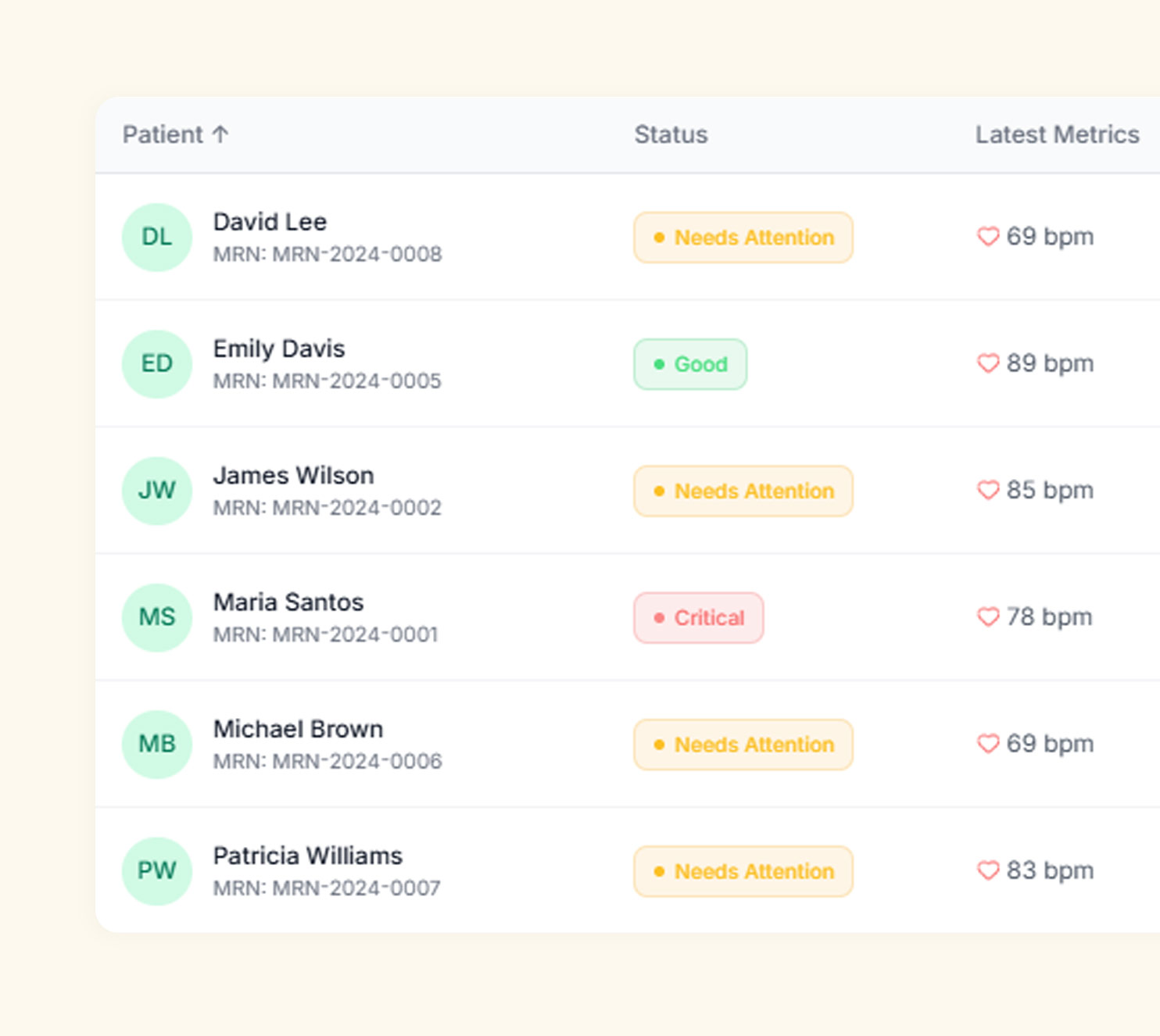
A short walk-through of how MediClarity turns fragmented records into a structured pre-visit summary, with the real platform UI and a quick word from a clinical lead.
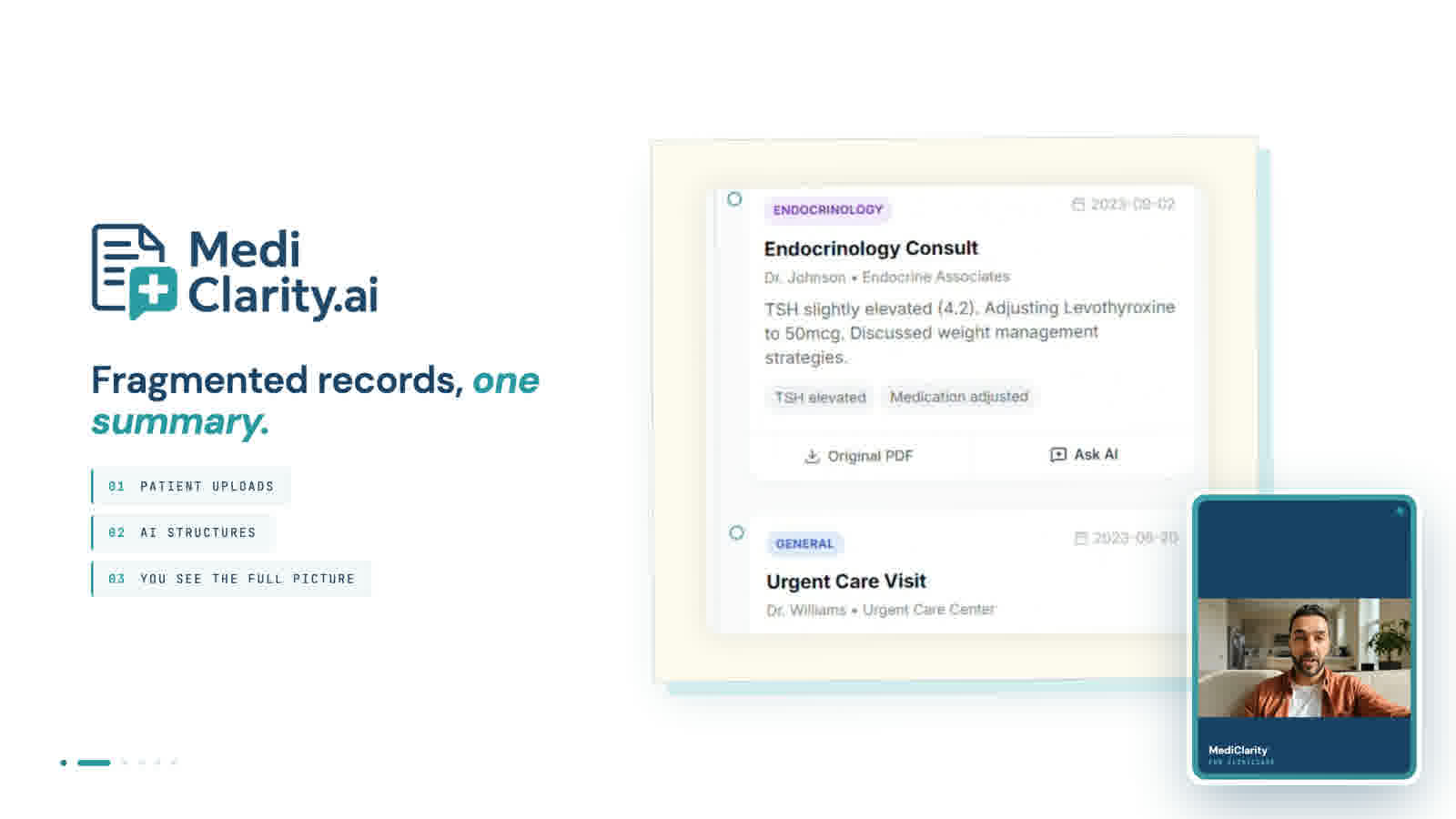
MediClarity isn't another inbox to manage. It shows up at four moments you already have — and quietly does the chart-prep work between them.
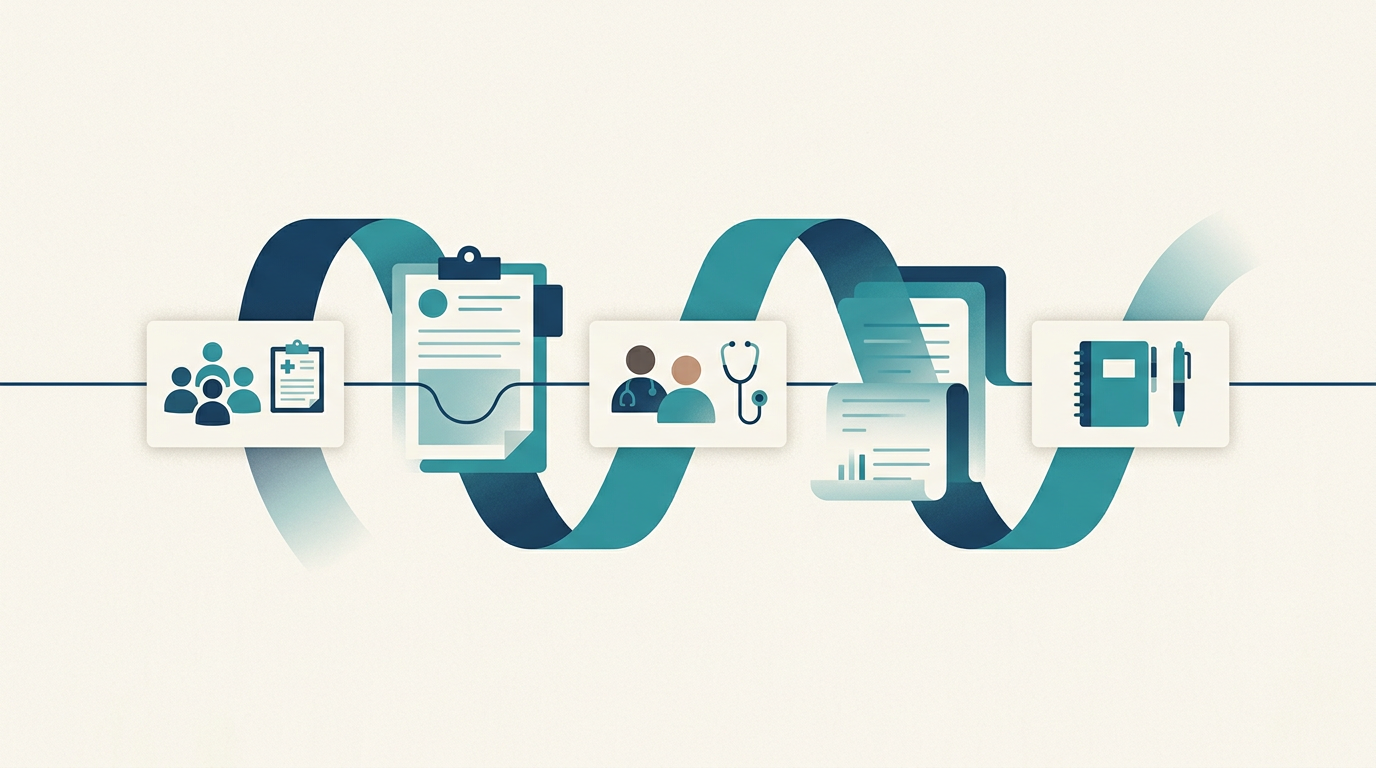
Before the first patient, you see who's critical, who needs attention, and what new outside records arrived overnight. No portal logins.
For each patient, a structured summary leads with what changed since you last looked — new diagnoses, medication adjustments, recent labs, the ER visit nobody mentioned.
Context is on screen at minute one. Ask the chart a question in plain language and get an answer with a page citation — verifiable, not invented.
A documentation-ready summary supports your note and your RPM/CCM workflow — so the record closes when the visit closes, not three days later in inbox triage.
The chart-prep that used to consume the first half of a complex-care visit happens before the visit begins.
Scroll through the surfaces clinicians actually use — from the roster you open in the morning to the documentation that closes when the visit closes.
01 / Roster
Critical, needs-attention, stable — sorted, filterable, and updated as new records arrive. The first screen you open in the morning, the last one you check before the day closes.
 02 / Triage
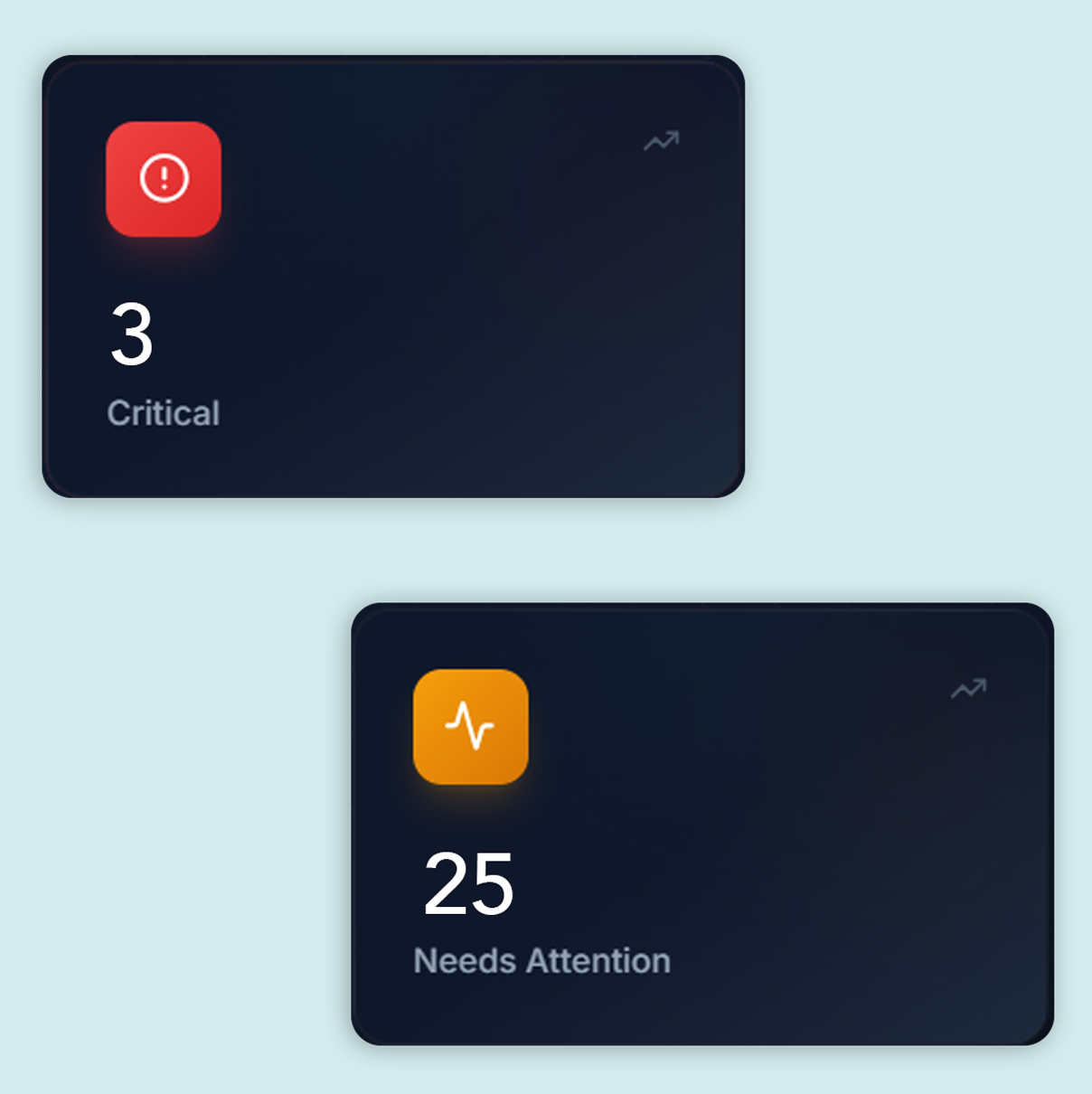
The three numbers your day pivots on — Critical, Needs Attention, Stable — surfaced as the first thing you see. Click any tile to drop into the matching patient list.
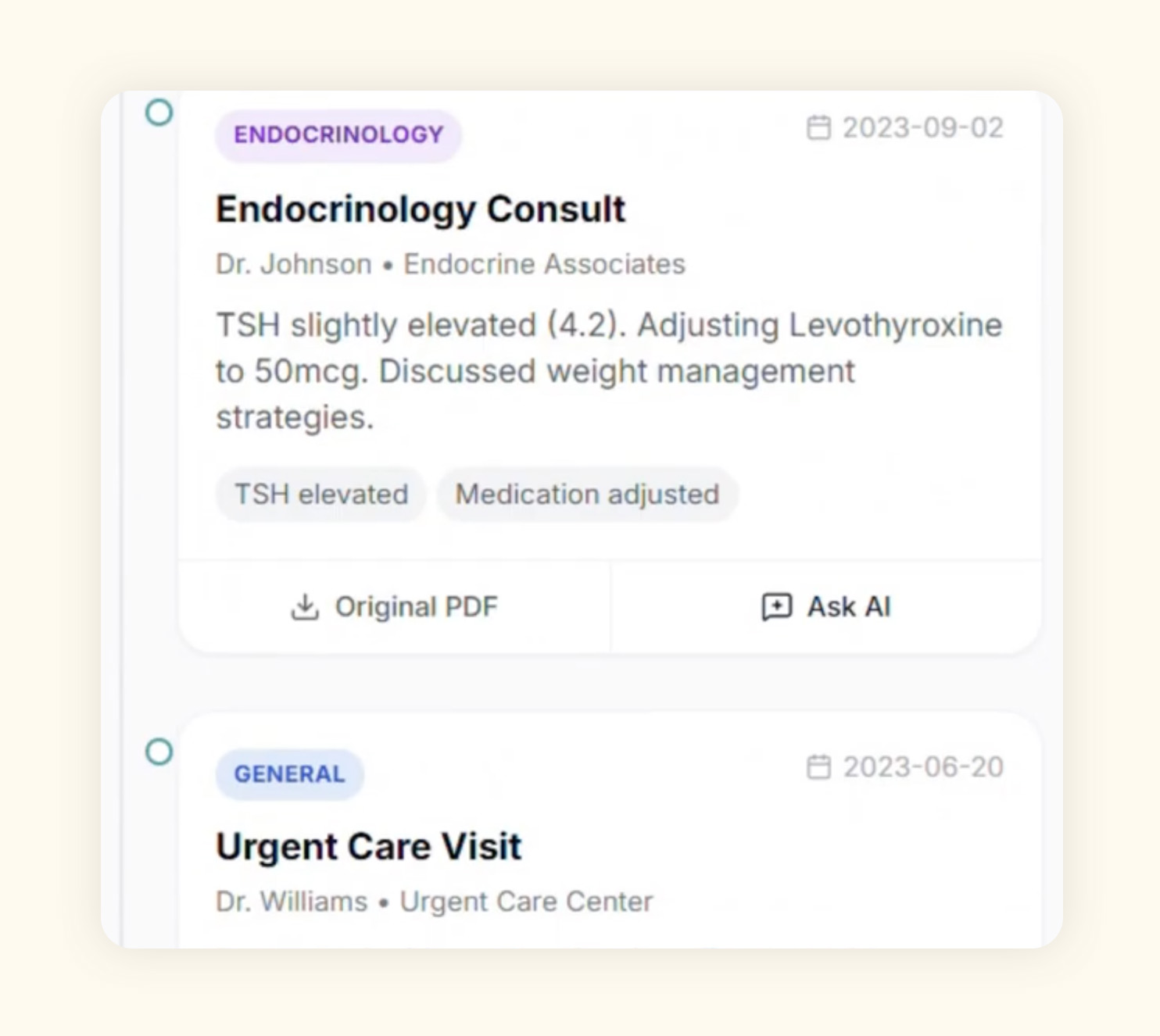 03 / Summary
Endocrinology consults, urgent-care visits, lab packets — pulled together into structured event cards. Tagged with what changed, linked to the original PDF, and ready to ask questions of.
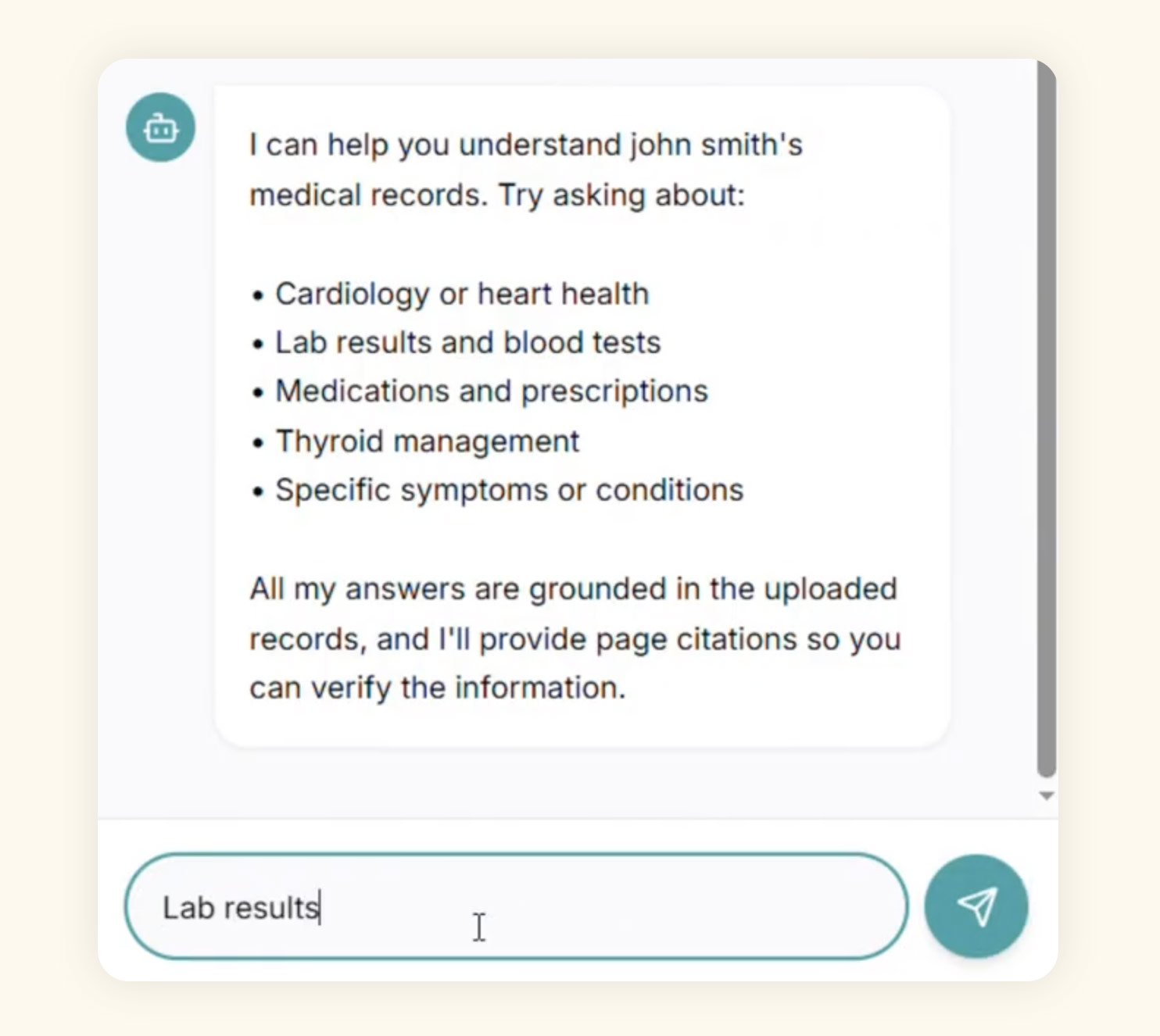 04 / Ask
Conversational Q&A grounded in the uploaded records, with page citations on every answer. Cardiology, lab results, medications, thyroid management — verifiable, not invented.
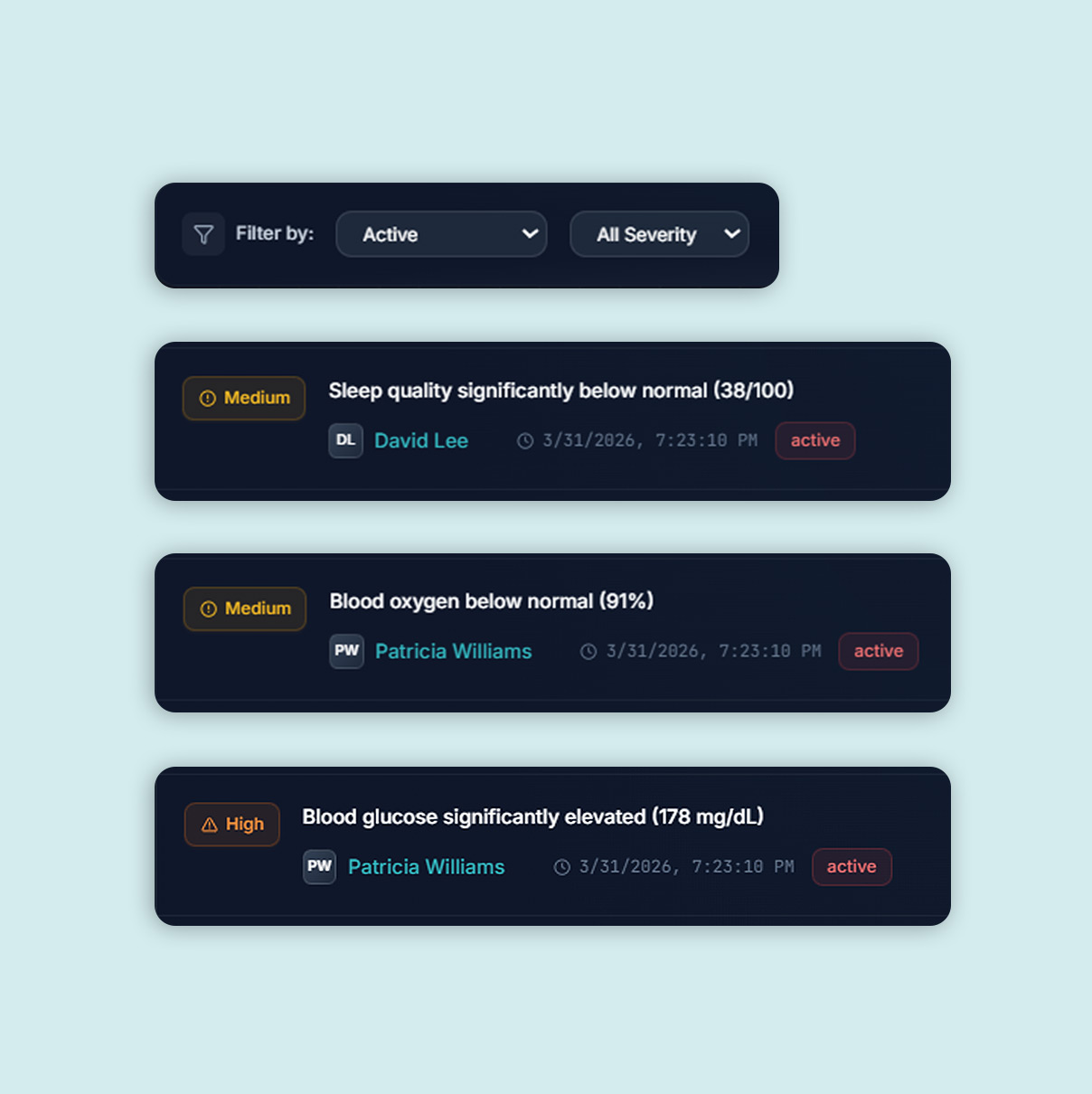 05 / RPM
Connected-device data from Apple Watch, Fitbit, and Oura folded into the same view as outside records. Filter by alert type, sort by acuity, document in line with 2026 CMS RPM expectations.
MediClarity earns its place wherever a patient's record spans many sources. The specialties where that's the daily reality are the ones it serves best.
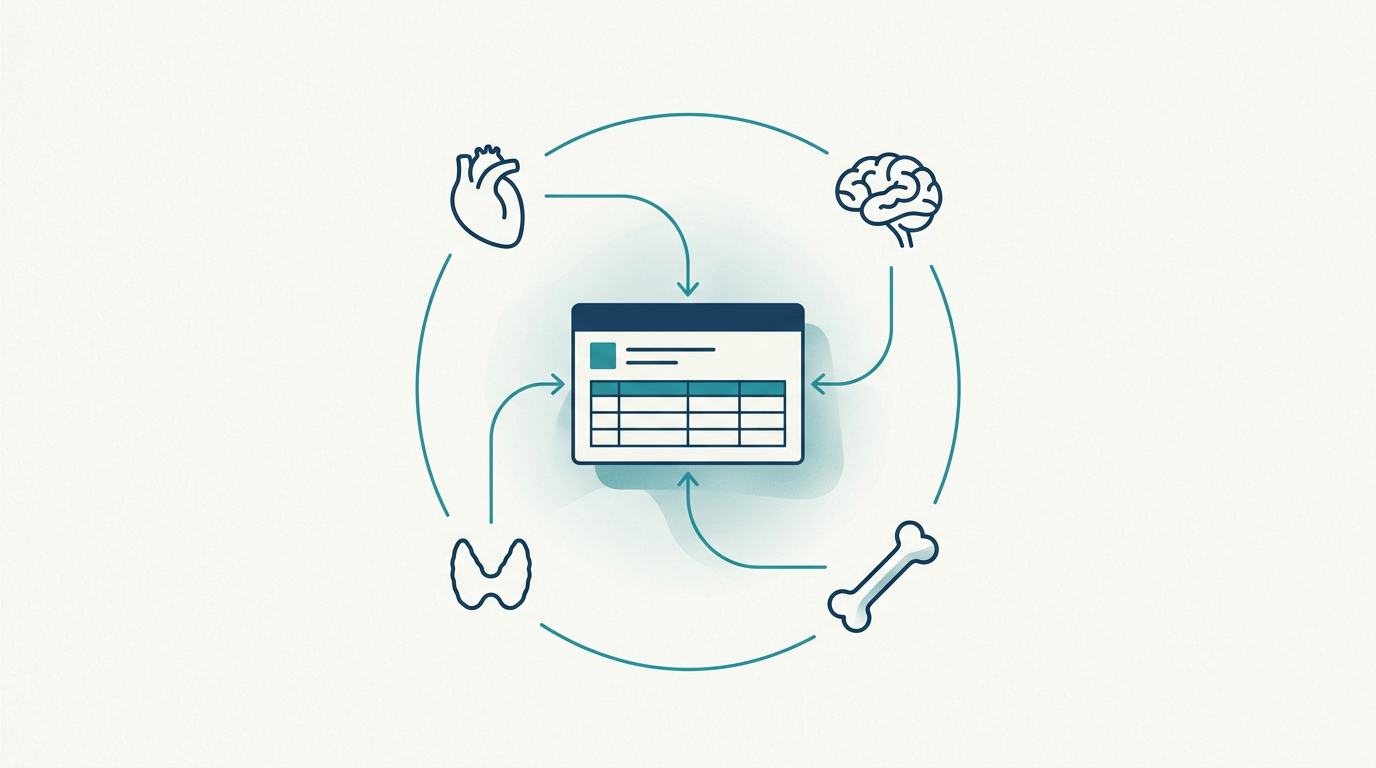
A cardiologist inherits the endocrine notes. A neurologist needs the imaging history from three systems. A PCP coordinates all of it. The common thread isn't the specialty — it's the fragmentation. MediClarity consolidates the outside record so the specialty work can start where it should.
The #1 question every practice owner asks: what does this do to my existing systems? The answer is nothing. MediClarity sits on top of your stack — it doesn't replace it.
The integration is the upload, not the install. Patients (or caregivers) bring their outside records in; MediClarity structures them; you read the summary and paste what you need into your note. There's no rip-and-replace, no data migration, no six-month IT project, no new system for your staff to learn from scratch.
Because we're not touching your EHR, onboarding is light — most practices are working within days of contract sign. And because the data is patient-provided, you're not waiting on an interface engine or an HIE connection to go live.

We'd rather be clear about the boundaries up front than have you discover them in a sales cycle. Three things we deliberately are not.
MediClarity doesn't store your system of record or run your practice. It handles the outside records and patient-provided data your EHR doesn't see, and hands you summaries to use in it.
It structures and summarizes patient-provided records to support your decision-making. It does not diagnose, treat, prescribe, or replace clinical judgment. You remain the decision-maker.
Summaries are aligned to RPM and CCM documentation needs, but MediClarity doesn't generate or submit claims. It's the documentation backbone — billing and compliance review stay with your team.
HIPAA-compliant by design, with patient-controlled data, full audit trails, and a BAA available on request. Security documentation shared under NDA for IT review.
Security Rule and Privacy Rule controls across all production systems.
Standard template ready for practices, health systems, and enterprise reviews.
Patients own their records. Export anytime. No external model training on PHI.
Every read, write, share, and export is logged for the covered entity.
One practice. Month-to-month. Cancel anytime. Multi-site or health-system pricing on request.
Volume pricing, SSO, custom security review, and shared procurement timelines for groups, IPAs, and health-system pilots.
Contact sales →If your question isn't here, the demo answers it — on a sample patient and one of yours.
A demo, on a sample patient and one of yours. No procurement marathon required.
Book a Demo →